
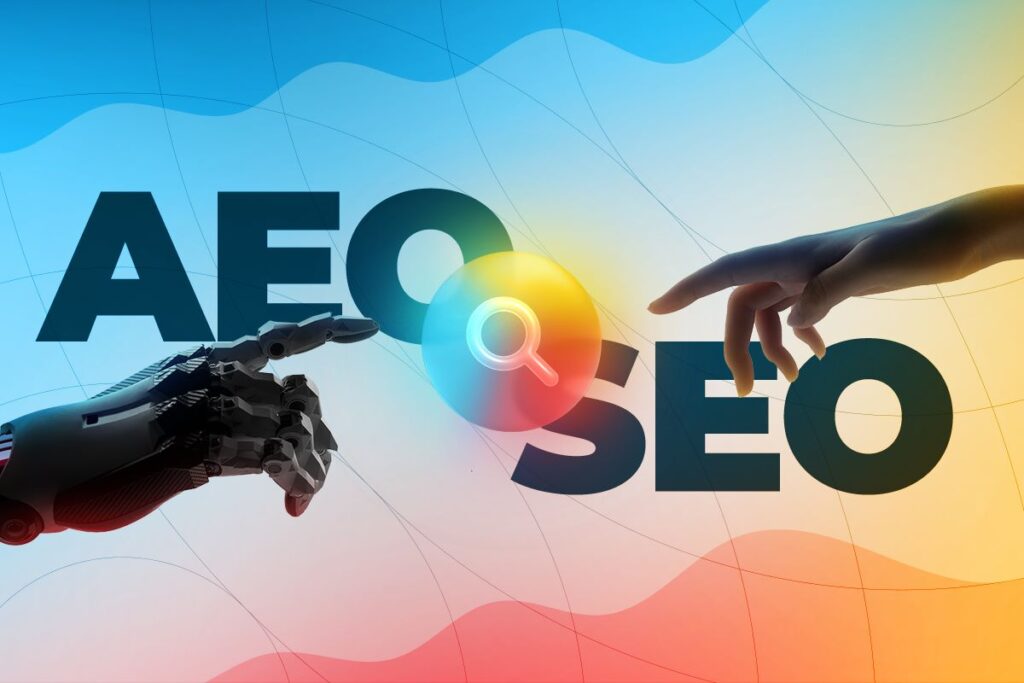
An AEO strategy agency helps brands become one of those sources. They do it by aligning content, structure, and credibility so AI systems can confidently extract, attribute, and reuse the brand’s information.
What does “generative search” change for brand visibility?
It shifts the focus from traditional rankings to citations and direct inclusion in AI-generated answers. With effective AEO strategies (Answer Engine Optimization strategies), brands may still lose traffic even when demand is strong—because the user’s question is resolved directly within the search experience.
An agency approaches visibility as “being selected by the model.” This means prioritising clearly defined entities, trustworthy and verifiable facts, and answer-ready content instead of focusing solely on broad, high-volume keywords.
What is AEO, and how is it different from SEO?
AEO (Answer Engine Optimisation) focuses on winning the answer, not just the click. SEO still matters, but AEO adds requirements around extractability, attribution, and confidence.
An AEO agency typically optimises for: question coverage, structured data, entity clarity, corroboration across the web, and content formats that can be quoted cleanly in generative responses.
How do they decide which questions and intents to target?
They start by mapping real customer questions across the journey, from “what is” and “how to” queries to comparisons and troubleshooting. Then they group them into topics where the brand can credibly be the best source.
They also prioritise questions that are likely to trigger AI summaries, such as complex decisions, multi-step processes, and “best for” comparisons because those are the moments where citations matter most.
How do they make content “answer-ready” for AI systems?
They write and restructure pages so answers appear early, clearly, and consistently. The goal is that a model can lift a definition, steps, or a recommendation without guessing what the brand means.
Practically, they use tight introductions, descriptive headings, short paragraphs, and explicit statements. They also add scannable elements like numbered steps, tables, and FAQs where they genuinely help the reader.
How do they strengthen entity signals and topical authority?
They make the brand and its offerings unambiguous. That includes consistent naming, clear relationships between products, features, use cases, and industries, plus internal linking that shows a coherent topic cluster.
They also build topical depth, not just breadth. Instead of dozens of thin pages, they develop a small set of strong hubs supported by focused supporting articles that answer specific questions in plain language.
Other Resources : Guidelines regarding the use of generative AI
How do they use structured data without turning pages into templates?
They add schema to clarify meaning, not to game the system. Common choices include Organisation, Product, Article, FAQPage, HowTo, and Review, used only when the page truly matches the format.
An agency also checks that structured data matches on-page content and avoids spammy markup. Consistency is the point because it reduces ambiguity for crawlers and downstream AI systems.
How do they prove trust, expertise, and accuracy in a way AI can reuse?
They make claims verifiable. That means citing primary sources, showing working where relevant, and keeping stats current. They also tighten author signals with real bios, credentials, and editorial policies.
They often add “last reviewed” dates, improve About and Contact pages, and ensure policies are easy to find. The aim is simple: when a model evaluates sources, the brand looks safe to quote.
How do they influence what models learn from the wider web?
They improve off-site corroboration so the brand’s facts are repeated consistently across reputable sources. That can include digital PR, partnerships, expert commentary, and high-quality citations in industry publications.
They also clean up inconsistent listings and outdated pages that cause conflicts. If different sources describe the same product in different ways, models become less confident, and confidence is what drives inclusion.
How do they measure success when clicks are no longer the only KPI?
They track indicators tied to generative visibility: citations in AI answers, presence in “best of” and comparison responses, branded + category mentions, and how often the brand appears as a recommended option.
They still monitor classic metrics like organic conversions and assisted revenue, but they add reporting for answer ownership. The question becomes: “Is the brand being referenced at decision time, even without a click?”
What does an AEO agency typically deliver in the first 60–90 days?
They usually begin with a diagnostic: question gaps, content quality, technical issues, entity clarity, and off-site consistency. Then they ship a prioritised roadmap, plus quick wins that improve extractability fast.
By 60–90 days, a strong agency will have reworked key pages, built initial topic clusters, implemented the right schema, and started credibility work. The goal is to create a baseline where AI systems can reliably quote the brand.

How can brands choose the right AEO strategy agency?
They should look for teams that can explain “why this will be cited” in plain terms. Good agencies show examples of answer-ready writing, entity planning, technical competence, and measurable reporting beyond rankings.
They should also avoid anyone promising guaranteed inclusion in model answers. The better sign is a methodical process, clear prioritisation, and a focus on building sources that deserve to be referenced.
Related : CMS Migration Checklist: How to Move Platforms Without Losing SEO
FAQs (Frequently Asked Questions)
What is generative search and how does it change brand visibility?
Generative search provides direct answers, summaries, and recommendations instead of traditional blue links. This shifts brand visibility from ranking positions to being cited as a trusted source within AI-generated responses, meaning brands must focus on clear entities, trustworthy facts, and answer-ready content to be selected by AI models.
How does Answer Engine Optimisation (AEO) differ from traditional SEO?
AEO focuses on winning the actual answer in generative search results rather than just driving clicks. While SEO remains important for rankings, AEO adds emphasis on extractability, attribution, confidence, structured data, entity clarity, and content formats that AI systems can easily quote and reuse in their responses.
How do AEO agencies determine which customer questions and intents to target?
They map real customer questions across the entire journey—from informational queries like “what is” and “how to” to comparisons and troubleshooting. Prioritisation is given to questions likely to trigger AI summaries such as complex decisions or multi-step processes where citations matter most, ensuring the brand credibly becomes the best source for those topics.
What strategies are used to make content ‘answer-ready’ for AI systems?
Content is structured so answers appear early, clearly, and consistently using tight introductions, descriptive headings, short paragraphs, and explicit statements. Scannable elements like numbered steps, tables, and genuine FAQs are incorporated to help AI models extract definitions, steps or recommendations without ambiguity.
How do AEO agencies strengthen a brand’s entity signals and topical authority?
They ensure unambiguous brand representation through consistent naming conventions, clear relationships between products and features, plus internal linking forming coherent topic clusters. Instead of many thin pages, they build topical depth with strong hubs supported by focused articles answering specific questions in plain language.
What metrics indicate success in an AEO strategy when clicks are not the only KPI?
Success is measured by generative visibility indicators such as citations within AI answers, presence in comparison or “best of” responses, branded plus category mentions, and frequency of recommendation by AI systems. These complement traditional metrics like organic conversions but focus on whether the brand is referenced at decision time—even without clicks.